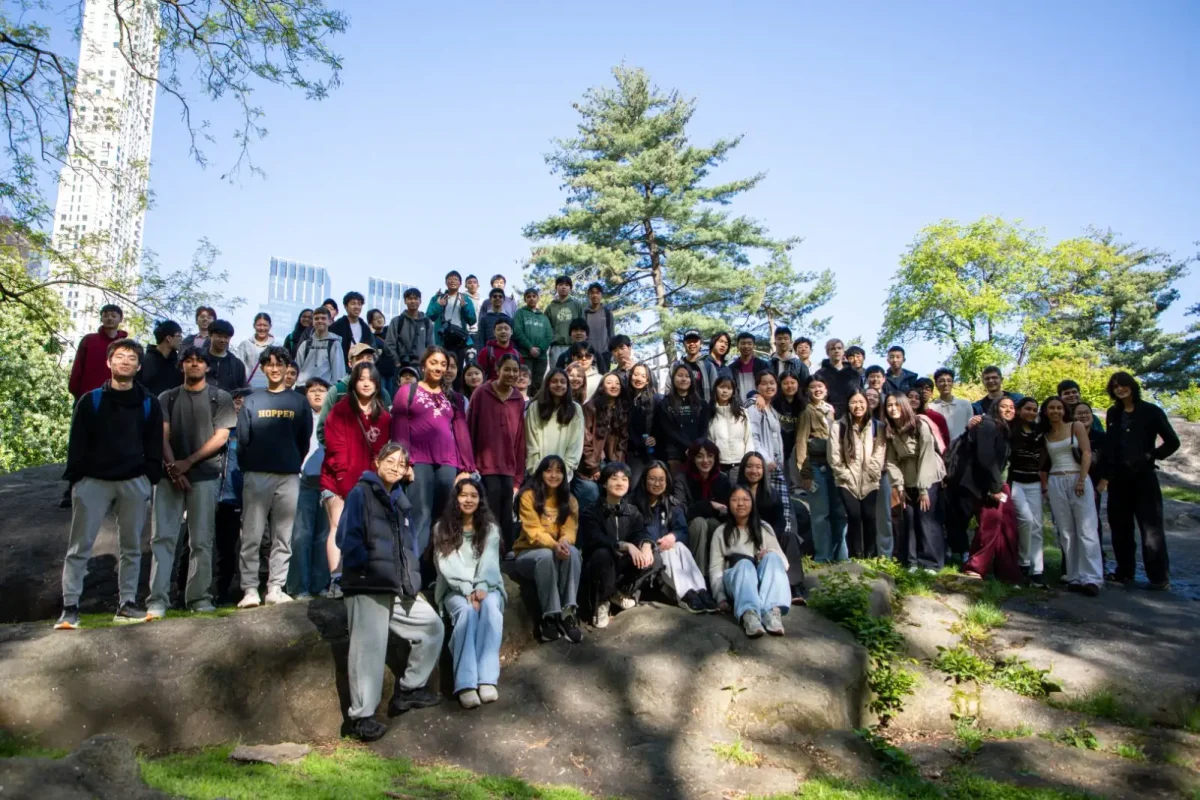
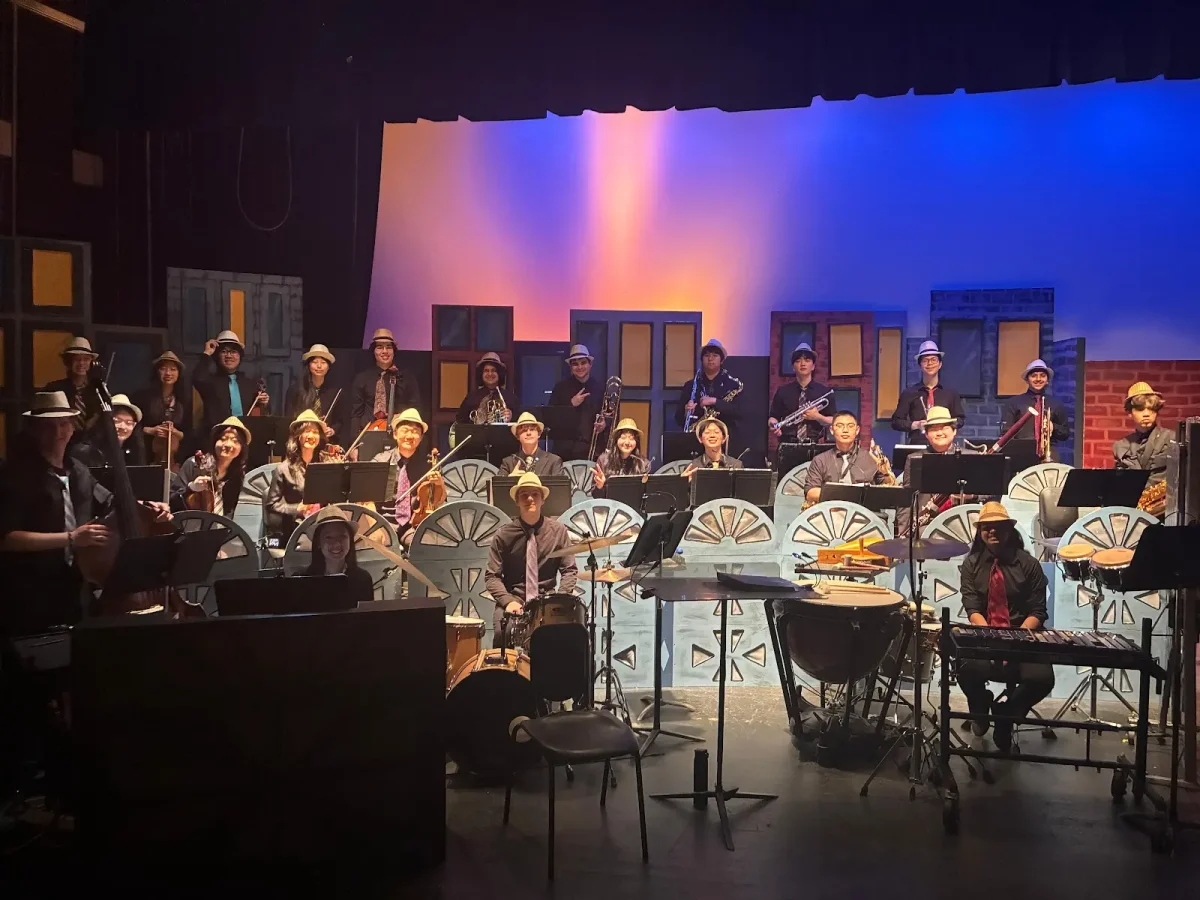
For the past few weeks, Lexington High School’s a cappella groups have been preparing for the Fall Jam on Dec. 13. An annually-held concert, the Fall Jam consists of seven groups of 14 to 16 students showcasing three a cappella pieces. A significant amount of work goes into this showcase of musical talent at LHS, as the a cappella program at LHS is fully student-run.
However, before any performance can start, groups practice frequently. Typically, rehearsals run twice a week and last for two hours. During these meetings, groups meet to first determine and arrange the songs they want to sing. Later, they focus on more technical details.
“For the first ten or fifteen minutes, we socialize … and have some fun. Then, we begin our work,” Will Colburn, a junior and member of the group Peanut Butter and Jelly, explained. “This year, our rehearsals are from eight to ten p.m.”
A cappella groups use a variety of methods to prepare, such as increasing or adjusting the intensity of rehearsals, especially as performance dates approach. Additionally, groups have a tradition of performing to one another beforehand, allowing for last-minute feedback.
“Getting closer to Fall Jam, the practices become more focused on finer points rather than notes and rhythms. We work on dynamics and other fun musical stuff, and the week before we might add in a few extra practices,” Oscar Benninga, a sophomore and member of the school’s only all tenor-bass group, Rock Paper Scissors, said.
In addition, each a cappella group gets chances to practice and perform in other events throughout the year. For example, groups PB&J and Onomatopoeia will perform at the Wyvern Invitational A Cappella Festival in Jan. 2026.
“A cool thing about a cappella is we also do these things called gigs, which is performing around the town or at other schools. A lot of groups use that as Jam preparation,” Arden Taylor, a senior and member of the all-treble group Guacamole, said.
To deal with pre-Jam and event stress, everyone has their own strategies, from running through the music to focusing on having fun with their group. Despite the pressure, those in a cappella encourage any student to try out for a group they’re interested in.
“If you want to sing in a cappella, go for it. No one will tell you you can’t, and everyone is rooting for you –in the audition and outside of a cappella–in the group itself,” Benninga said.
In addition to using singing to have fun and as a mode of expression, the groups form connections that serve as a key memory for all.
“What makes a cappella so special is that it’s completely student-run. It means we kind of become a family instead of just a club and I’ve made some of the best friends of my life through it. It’s just been a great experience,” Colburn said.